Talk to SciX
Contact SciX to discuss climate indices, index requirements or disciplined customization.


In a recent episode of Pulse on Impact, Vincent Bouchet, SciX’s Director of ESG and Climate Research, speaks with Alex Clark, Research Director at Asset Impact (a GRESB company), about their joint paper, “Evaluating the Consistency of Companies’ Decarbonisation Targets in Critical Sectors.”
They explore the ambition–credibility gap between net-zero targets, historical emissions trends, and forward-looking capital expenditure plans across eight high-impact sectors. The discussion highlights the divergence between intensity and absolute emissions pathways, structural misalignment in sectors such as steel, oil and gas, and shipping, and relative convergence in electricity and automobiles.
They also examine the implications for investors, lenders, and regulators, arguing that capital allocation, physical intensity metrics, and standardized disclosure frameworks are critical to assessing the credibility of corporate transition plans.
The conversation explores:
The Ambition-Credibility Gap in Climate Alignment
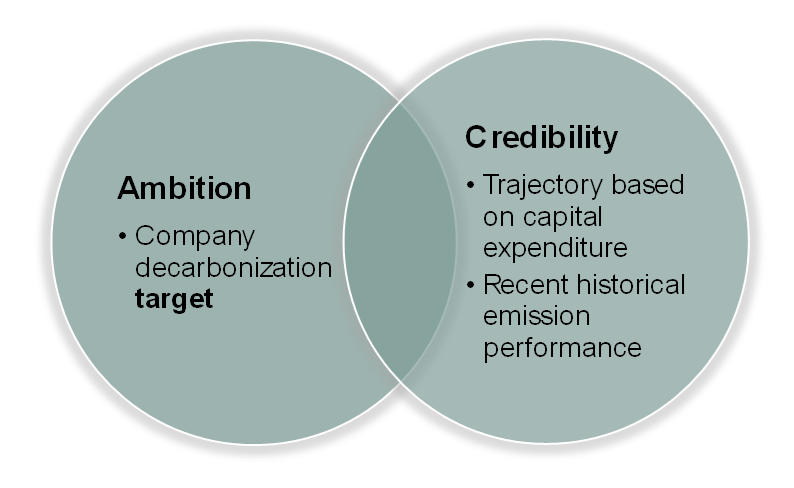
An essential discussion for investors navigating climate ambition and accountability.
“In steel, oil and gas, and even shipping, misalignment seems structural. Targets exist, but capital expenditure is not moving in the same direction. In oil ard gas, investment plans still imply rising absolute emissions when we look at the 20 largest producers. In shipping, capital allocation is far below what would be needed for technologies like hydrogen, carbon capture, or zero-carbon fuels.”
— Vincent Bouchet, Director of ESG & Climate Research, Scientific Climate Indices

“As things in the real world change, company targets should be expected to be revised. But one of the results highlighted in the paper is that unless you have a view into the underlying emissions structure and actual capital expenditure plans of a company, it’s very hard to understand what might prompt companies to revise their targets-whether upwards or downwards-and whether they’ll be achieved.”
— Alex Clark, Research Director, Asset Impact

👉 To explore the research and its findings in greater detail, watch our on-demand webinar, Portfolio Emissions and the Ambition-Credibility Gap.