“Science, including the science of economics, can help discover the causes and effects of climate change. It can also help work out what we can do about climate change. But what we should do is an ethical question.”
J. Broome, philosopher and contributor to the Intergovernmental Panel on Climate Change (2008)
How to build an equity Index aligned with Net Zero frameworks when only a third of companies are not increasing their emissions and only a third have set themselves climate targets (and only about 15% have done both)?
Challenges We Help You SolveScientific Portfolio gives you independent access to the analytics needed to challenge assumptions, validate recommendations, and form your own conviction
The Data Requirements for Modelling Climate Investment are Intractable
Assessing the climate impact of companies’ investments in green assets requires very large amounts of data which are expensive to acquire, expensive to verify, and expensive to integrate.
…..
The Green Taxonomy concerns a small minority of companies
Identifying companies drawing a significant portion of their revenues through green activities requires complex data and concerns a small number of companies.
....
Aligned Portfolios are Heavily Concentrated
..
Given the small number of companies drawing significant green revenues, and the small percentage of companies having climate targets and not increasing their emissions, Climate Aligned Portfolios tend to be overly concentrated.…
Aligned Index Offering often underweights critical sectors ..
Given the concentration of aligned portfolios, existing climate indices tend to underweight high-impact sectors and discard stock-level criteria in remaining sectors.
..
…..
Ready to Take the Next Step?
CASE STUDY IN CLIMATE ALIGNED INDEXING — Build Climate Aligned Index based on a Pragmatic Methodology based on Realistic observations. Taking Real-world Financial Constraints into account. Validating the resulting strategy and Comparing to Peers using On-Demand Analytics.
Getting Started With the Scientific Portfolio Platform
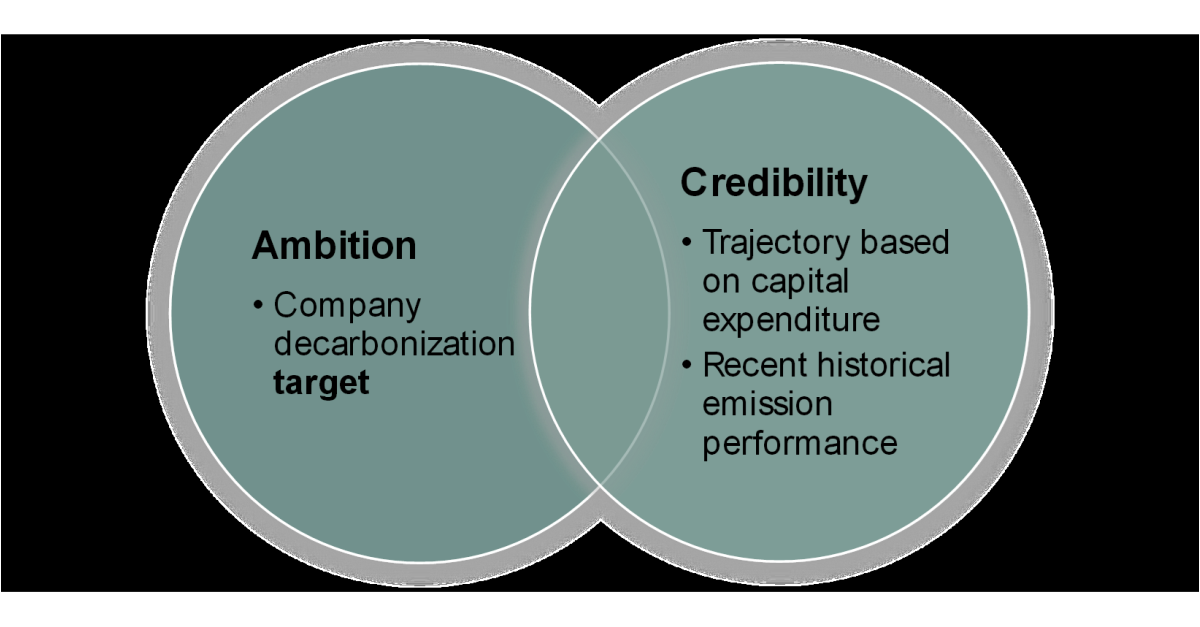
A Blend of Backward and Forward-looking Inputs
While historical trends provide valuable inputs regarding realistic emission pathways, they are best completed using forward-looking climate targets..
A Building Block Approach based on High-Impact Sectors
Considering each company’s emission pathway relative to its overall economic sector allows to keep critical sectors invested while selecting companies who are outperforming their peers.
Addressing Climate Thematics
The Building Block Approach allows to consider high-impact sectors as distinct ingredients in a climate strategy and to address separate thematics such as critical materials, or geopolitical tensions.
Turning Academic Rigor Into Measurable Portfolio Insights
Cover the Standards of Risk Management with Confidence
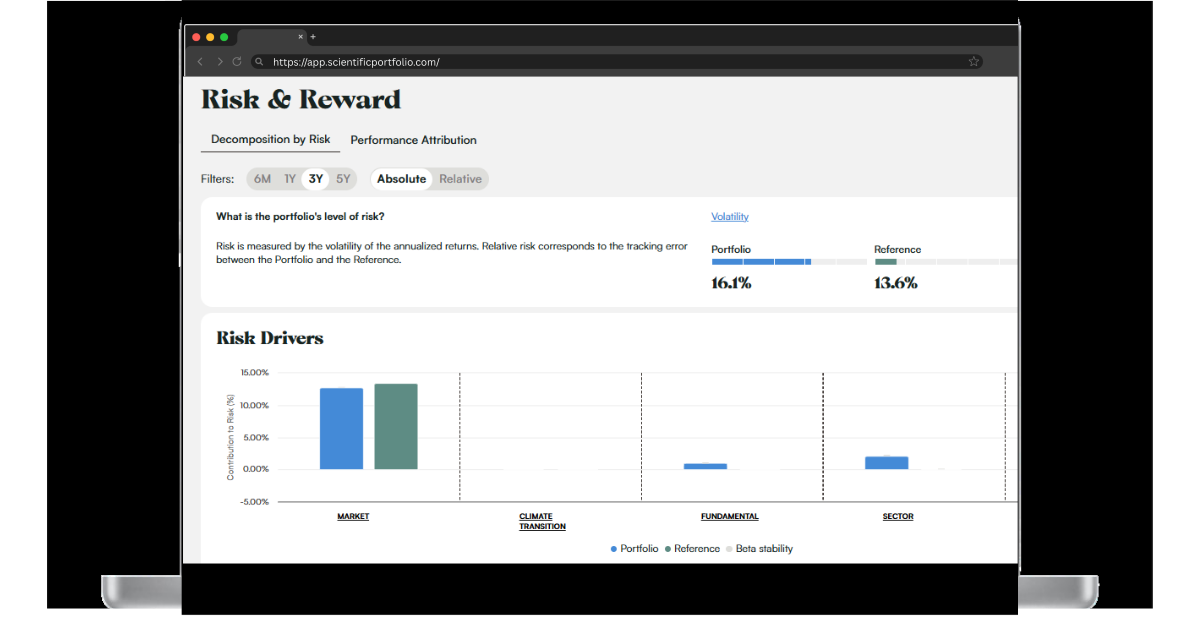
Gain clear understanding of your exposures to factor risks, sector risks, and macroeconomic risks. Identify the drivers of specific risks, measure diversification, and enable effective risk budgeting. Leverage advanced statistics to measure extreme risks, and use scenario analysis to evaluate extreme macro and climate risks with precision.
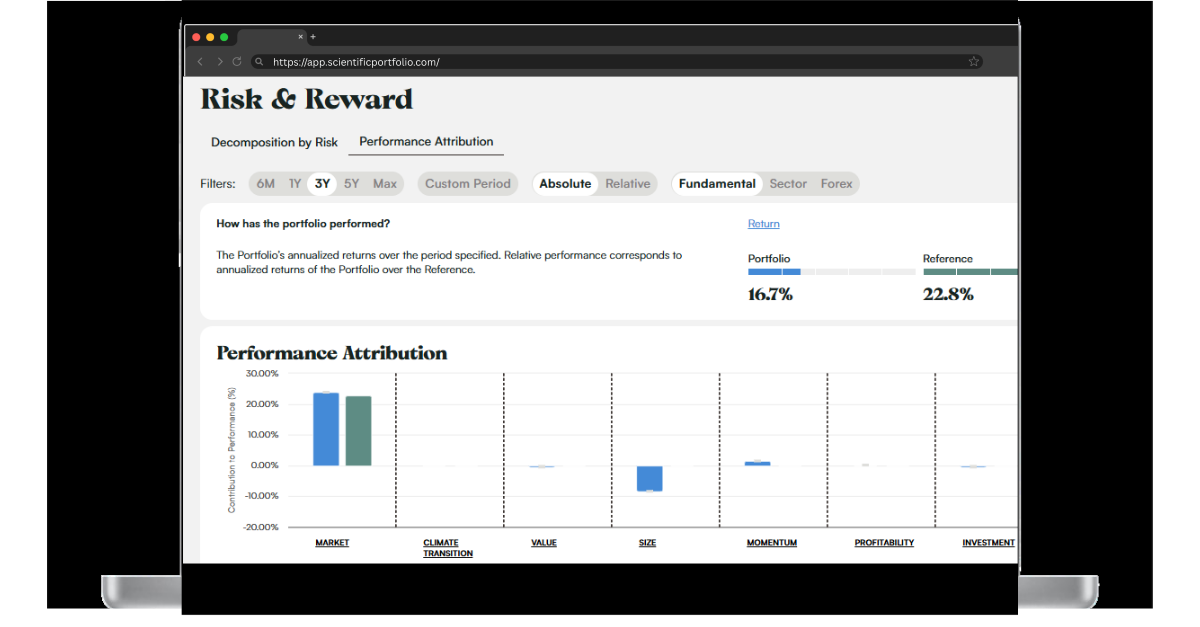
Attribute performance using a fundamental factor model, a sector factor model, or a currency factor model. Identify the drivers of unexplained performance and measure alpha within a robust and flexible framework. Put realized sample returns in perspective with what-if analysis, and project beyond the sample through long-term multi-factor simulations for deeper insights.
Bring Clarity to Climate Exposure, Risk, and Alignment
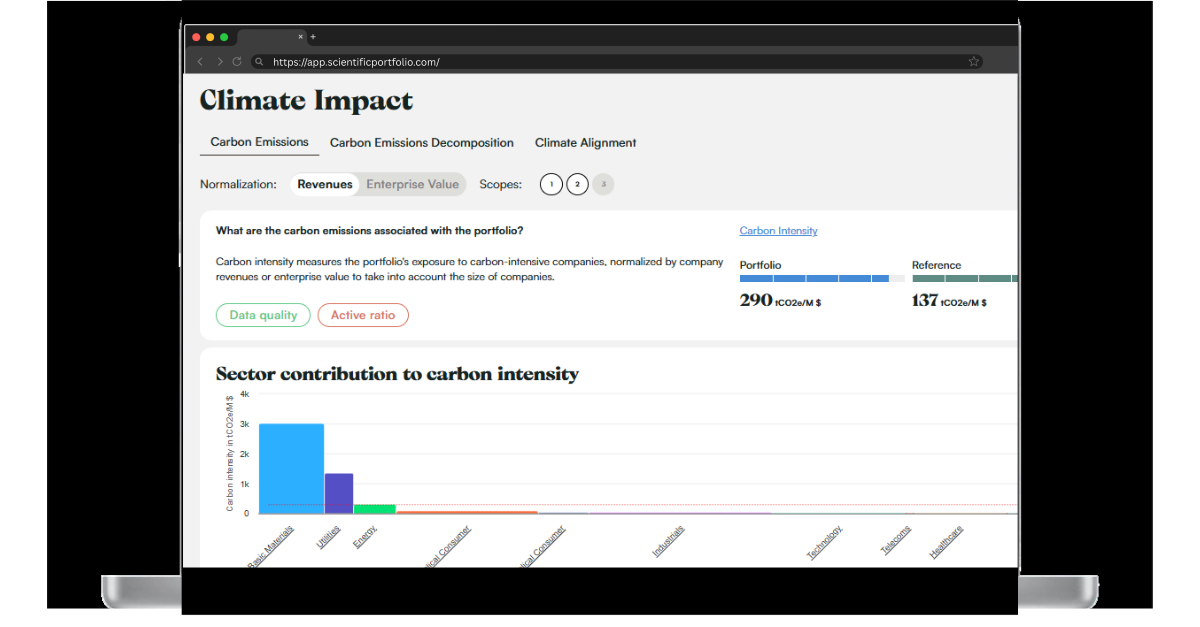
By knowing your exposure to the transition risk factor and your allocation to brown stocks: two complementary measures of climate risk. Quantify potential losses attributable to the climate transition through scenario analysis, and measure the carbon emissions your portfolio is accountable for while attributing the differences relative to its benchmark. Assess the alignment of your portfolio with climate objectives through scenario analysis that considers emissions trajectories and green revenues.
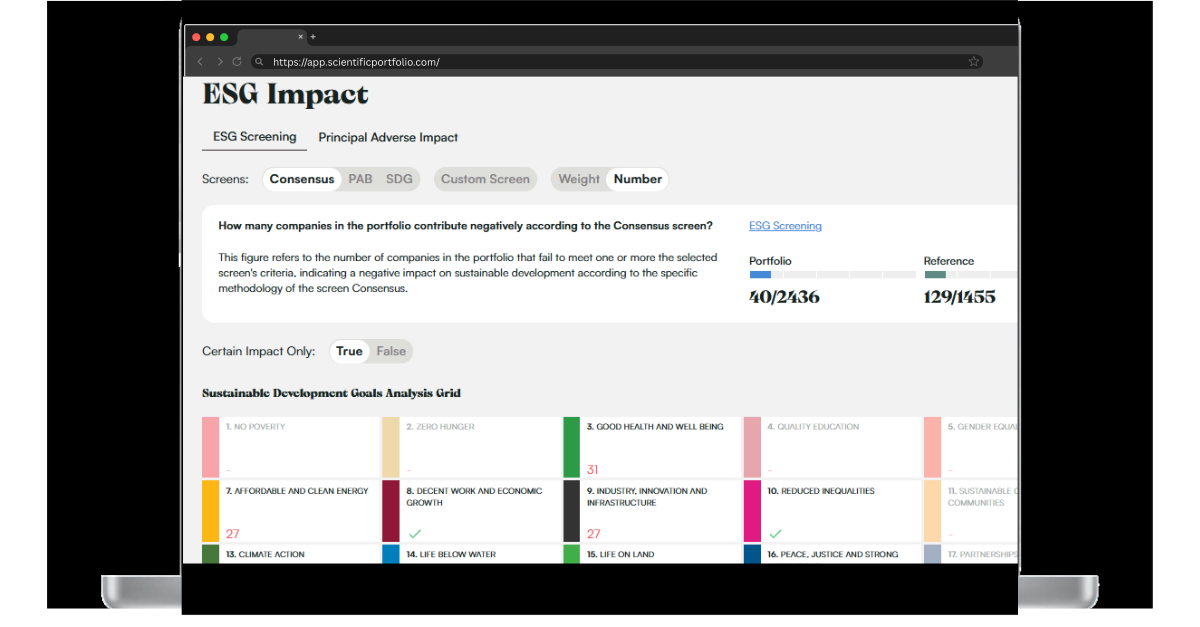
Assess sustainability through ESG screening templates that cover different levels of requirement. Customize ESG screening according to your investment policy, and measure the ex-post impact of excluding securities across risk management, performance, and climate dimensions. Minimize risk deviations attributable to ESG screening while maintaining the integrity of your investment approach.